
Can you use mirtazapine for sleep aid? Mirtazapine can be used as a sleep aid due to its sedating effects. When taken in lower doses, Mirtazapine can help promote sleep and improve sleep quality.
Mirtazapine, a medication primarily used for treating depression, has gained attention for its potential as a sleep aid. Sleep disturbances are a common symptom of various conditions, such as anxiety, insomnia, and depression. To address this issue, individuals often turn to medications that promote sleep.
Can You Use Mirtazapine for Sleep Aid: Benefits, Risks & Expert Insights
Mirtazapine’s sedating effects make it a viable option for improving sleep quality. By targeting certain brain receptors, it helps induce drowsiness and relaxation, leading to a more restful night’s sleep. This article explores the use of Mirtazapine as a sleep aid, highlighting its effectiveness, dosage, and potential side effects, enabling readers to make informed decisions regarding their sleep health.
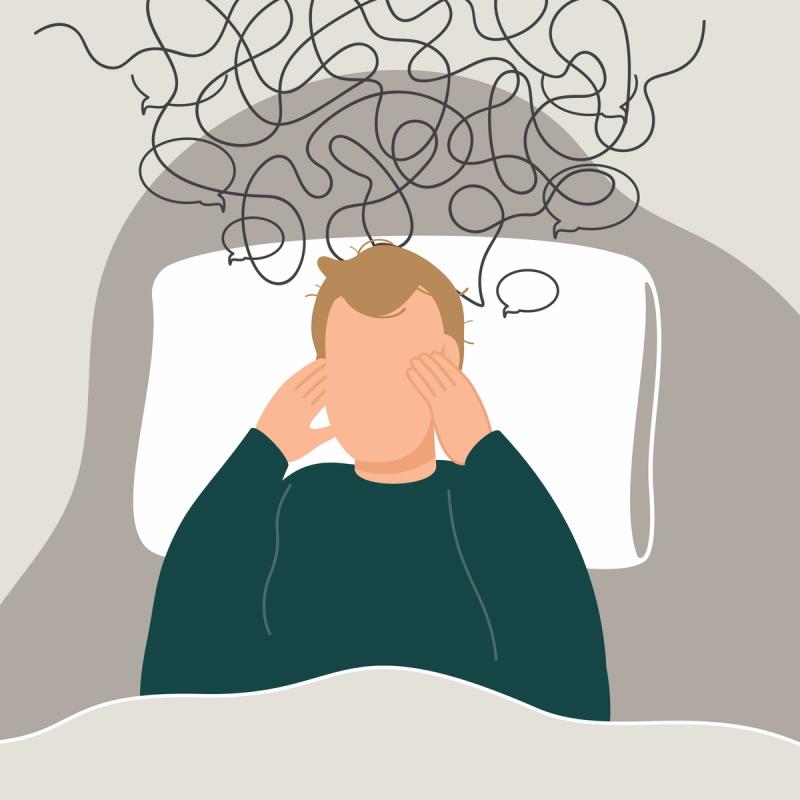
Credit: www.redboxrx.com
1. Understanding Mirtazapine
What is Mirtazapine? Mirtazapine is an antidepressant medication commonly prescribed for the treatment of depression. However, it can also be used off-label as a sleep aid.
How Does Mirtazapine Work? Mirtazapine works by affecting certain chemicals in the brain, including serotonin and norepinephrine. These chemicals play a role in regulating mood and sleep. By altering their levels, Mirtazapine can help promote sleep.
Potential Side Effects of Mirtazapine Like any medication, Mirtazapine comes with potential side effects. These can include drowsiness, dizziness, increased appetite, and weight gain. It’s important to discuss the potential risks and benefits of using Mirtazapine as a sleep aid with your doctor.
Read our another article: How to Stop Pillows Getting Lumpy in Wash
2. Mirtazapine For Sleep Aid
Can you use Mirtazapine for sleep aid? Many people wonder about the off-label use of Mirtazapine as a sleep aid. Mirtazapine is primarily an antidepressant, but some individuals may find it helpful for sleep due to its sedative effects.
Mirtazapine is not FDA-approved for sleep, but it is commonly prescribed off-label for individuals with insomnia or sleep disturbances. Off-label use refers to the use of a drug for a condition different from its approved indication.
Mirtazapine has been found to be effective in improving sleep onset and sleep continuity. It tends to promote drowsiness and enhance deep sleep, making it useful for those with difficulty falling asleep or staying asleep.
The recommended starting dose for sleep aid purposes is typically 15 mg of Mirtazapine, taken orally before bedtime. However, dosage may vary depending on individual factors and should be determined by a healthcare professional.
3. Considerations And Precautions
Mirtazapine is primarily prescribed as an anti-depressant, but it is also commonly used as a sleep aid.
When considering the use of Mirtazapine for sleep, it is important to be aware of potential interactions with other medications. Certain drugs, such as MAOIs and other anti-depressants, can have adverse reactions when combined with Mirtazapine.
In addition to interactions with other medications, there are some potential risks and cautions associated with the use of Mirtazapine for sleep. These include drowsiness, dizziness, and an increased risk of falls, especially in older adults.
It is always advisable to consult a healthcare professional before using Mirtazapine as a sleep aid. They can assess your specific situation and provide guidance on the appropriate dosage and potential risks for your individual needs.
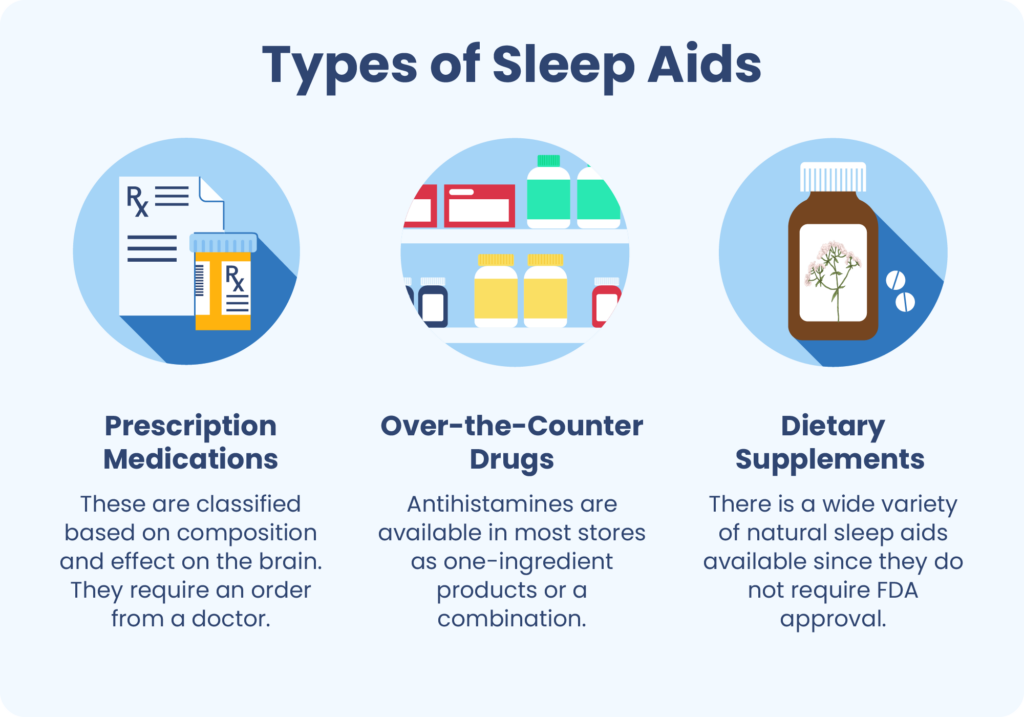
Credit: www.sleepfoundation.org

Credit: www.youngminds.org.uk
Conclusion
To conclude, the use of Mirtazapine as a sleep aid can be a valid option for those struggling with insomnia or other sleep disorders. However, it is crucial to consult with a healthcare professional before starting this medication, as there may be potential side effects and interactions with other medications.
Additionally, implementing lifestyle changes and practicing good sleep hygiene techniques can greatly contribute to improving sleep quality naturally. Ultimately, finding the best sleep aid option for you requires individual consideration and professional guidance.